Concrete Floor Polishing
Proudly Serving CT, NY, MA, NJ & Beyond
Commercial concrete polishing is one of the most cost-effective flooring solution for warehouses, manufacturing facilities, retail spaces, and other commercial environments. Our process creates durable, attractive floors that are easier to maintain and longer lasting than untreated concrete.
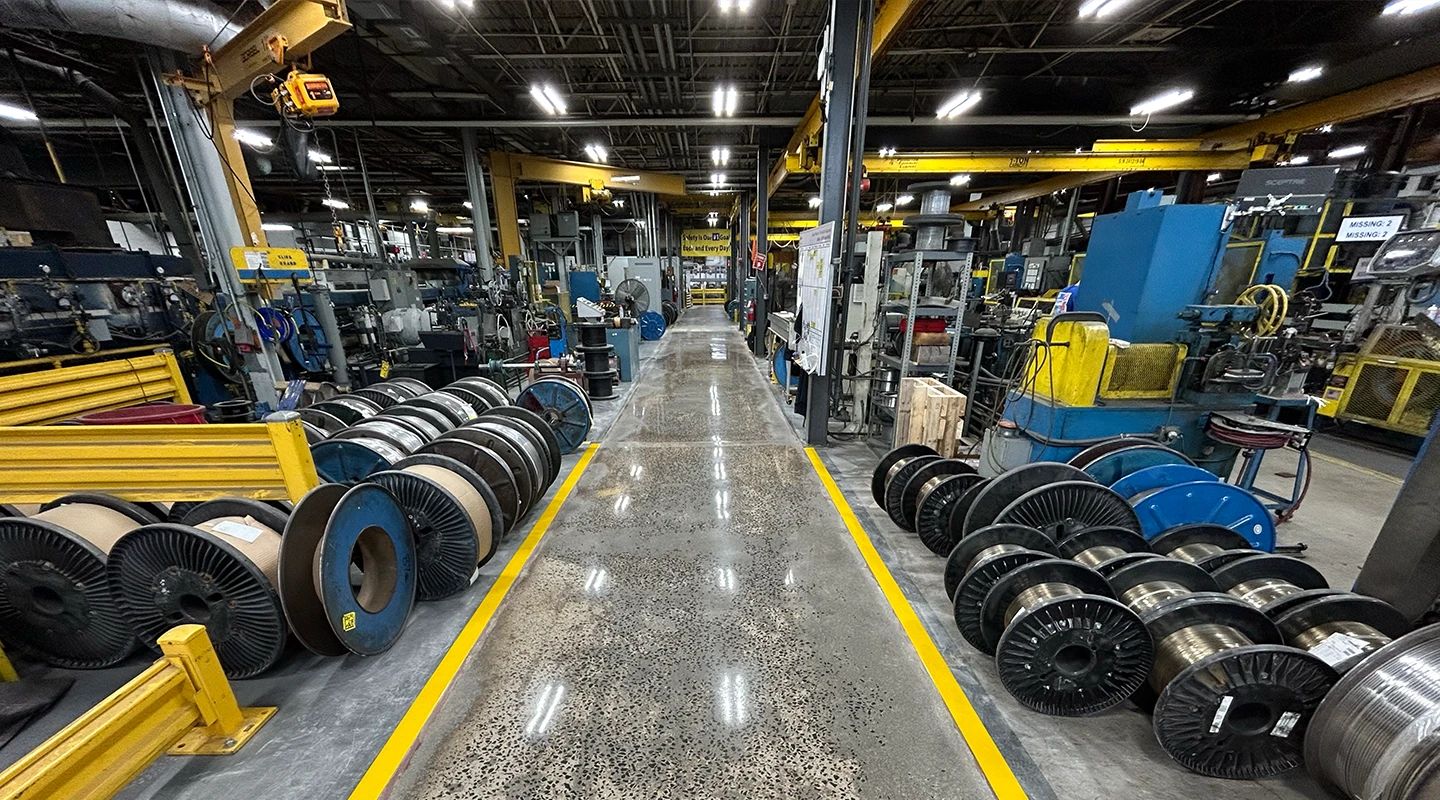
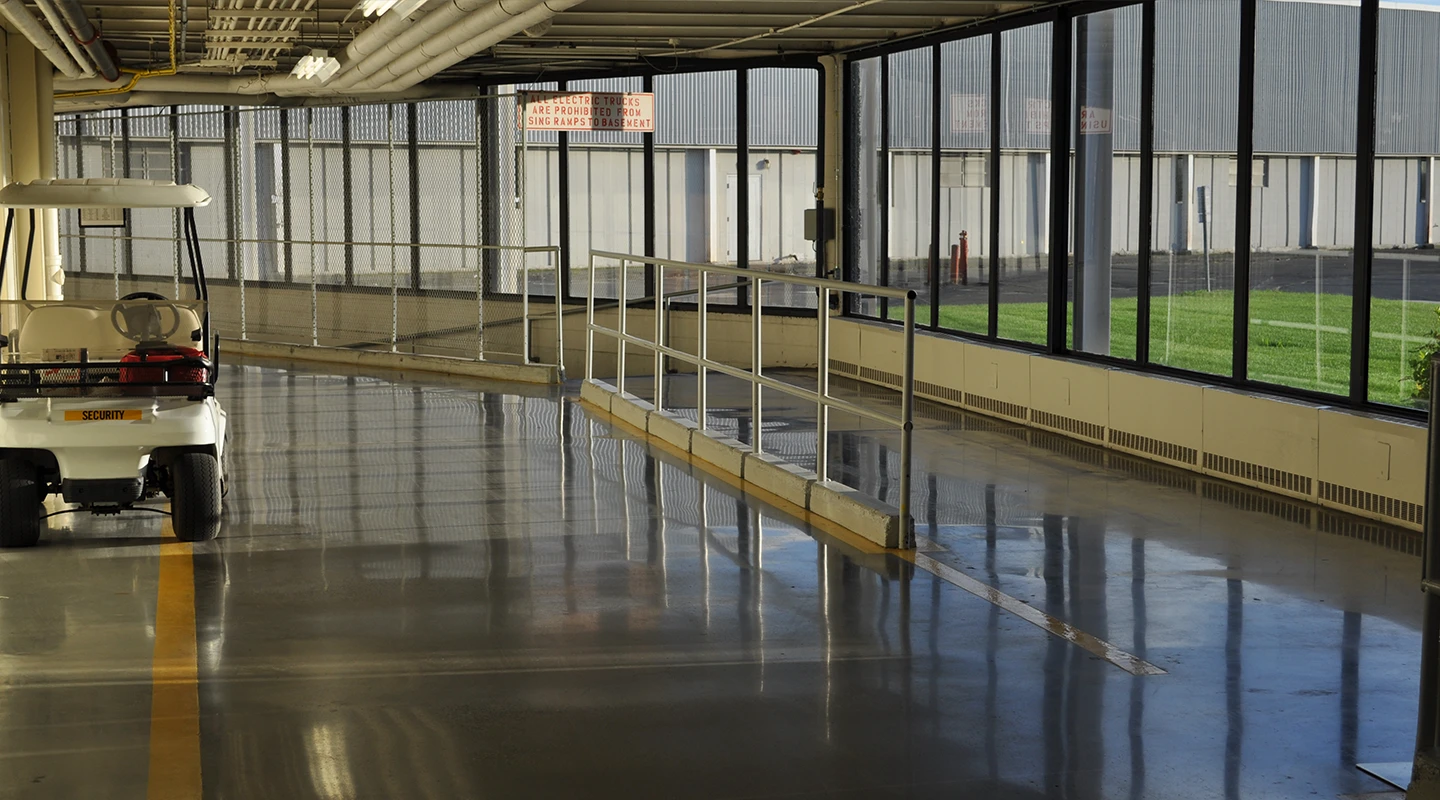
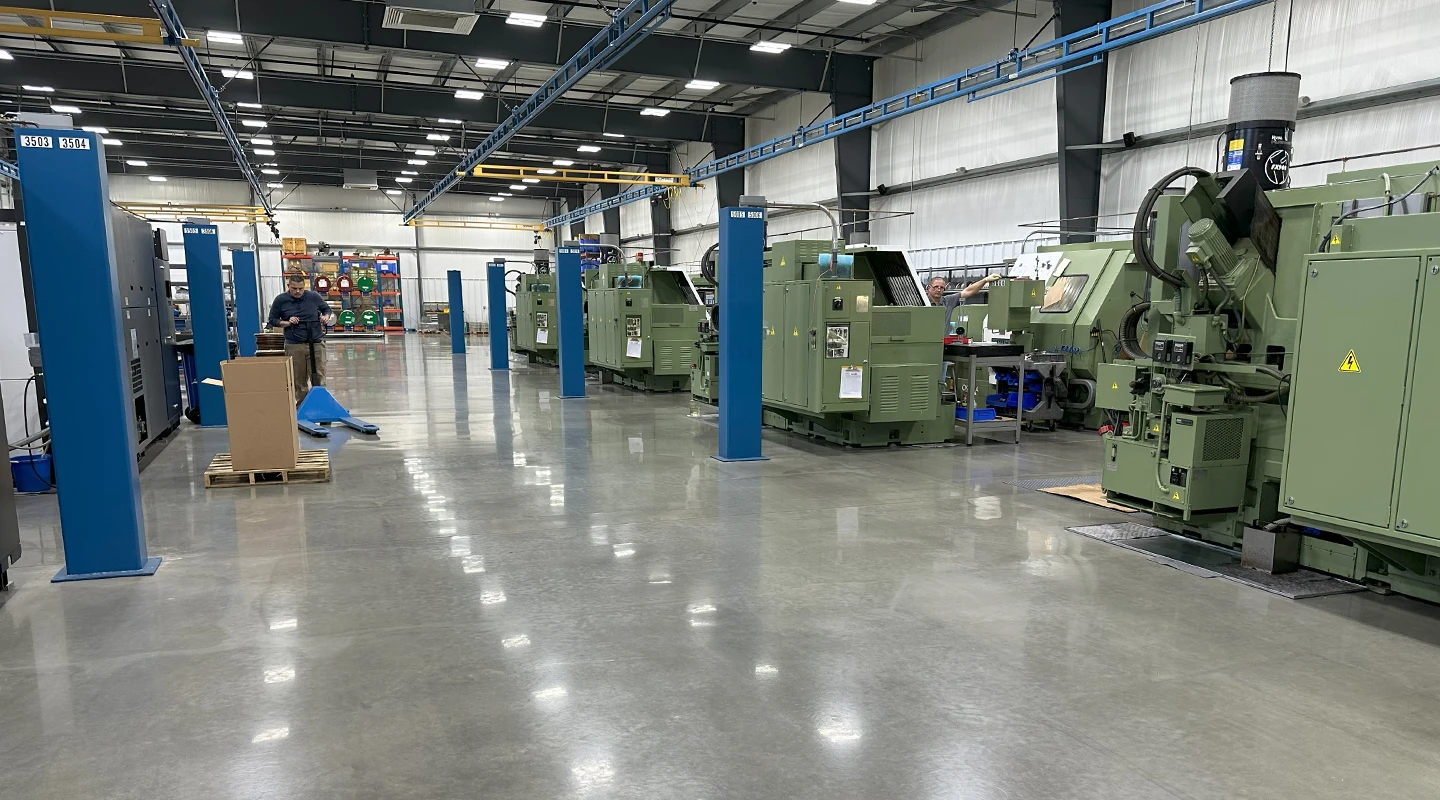
Warehouse Concrete Floor polishing
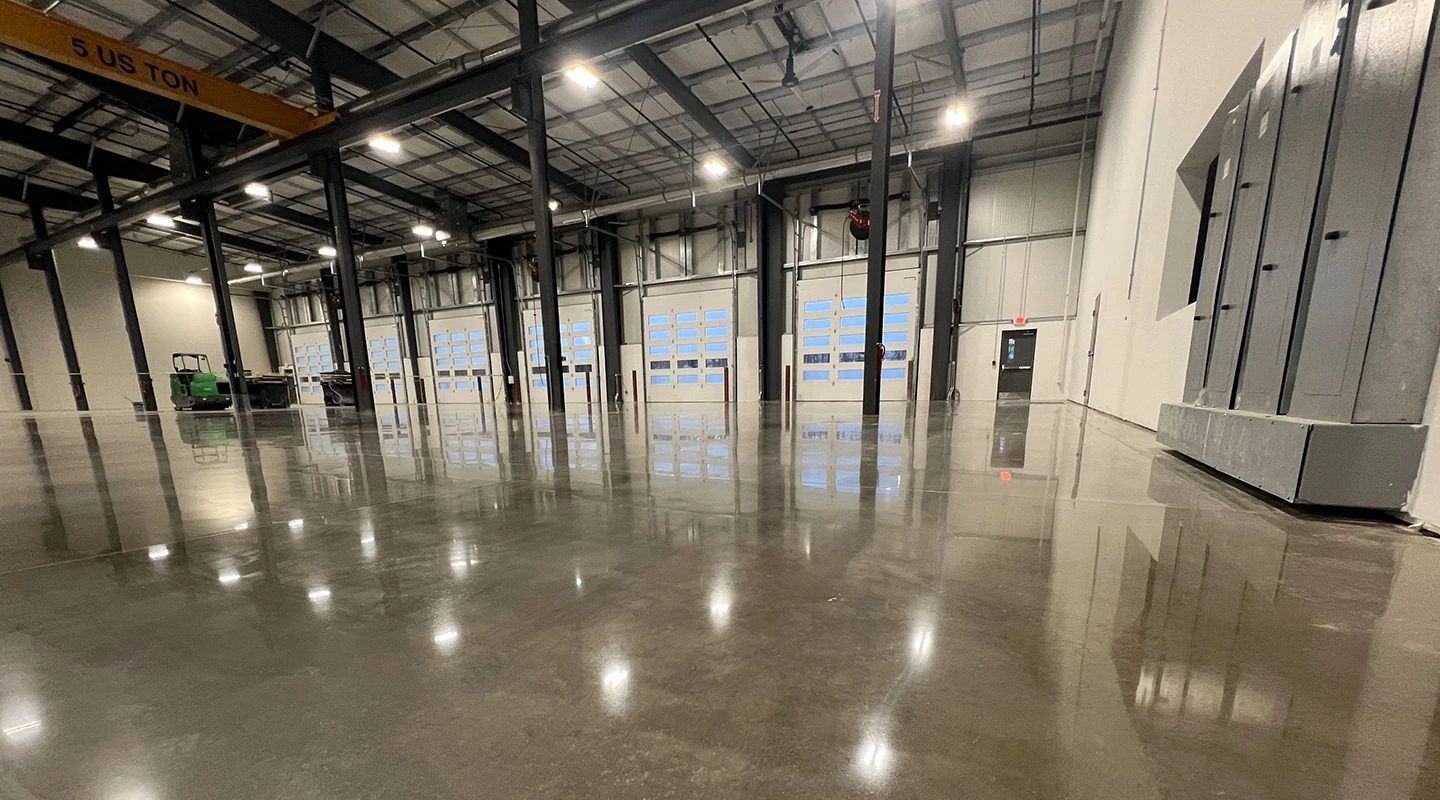
Rubber forklift tires leave minimal black marks on a polished concrete warehouse floor.
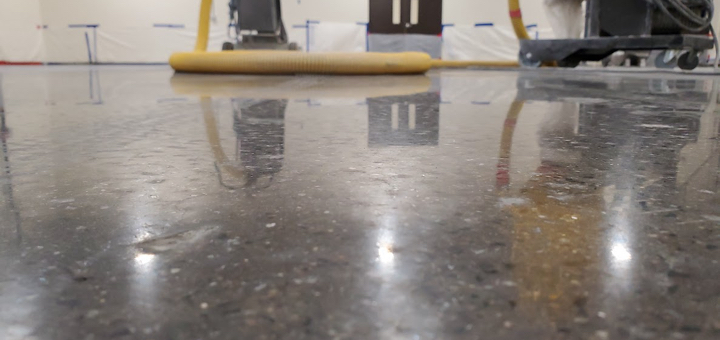
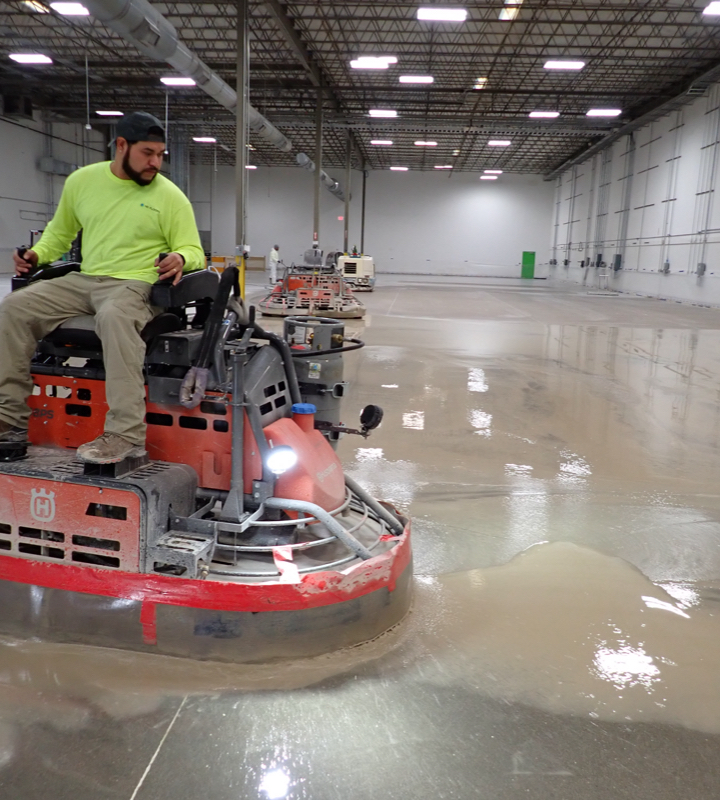
Industrial Floor Polishing
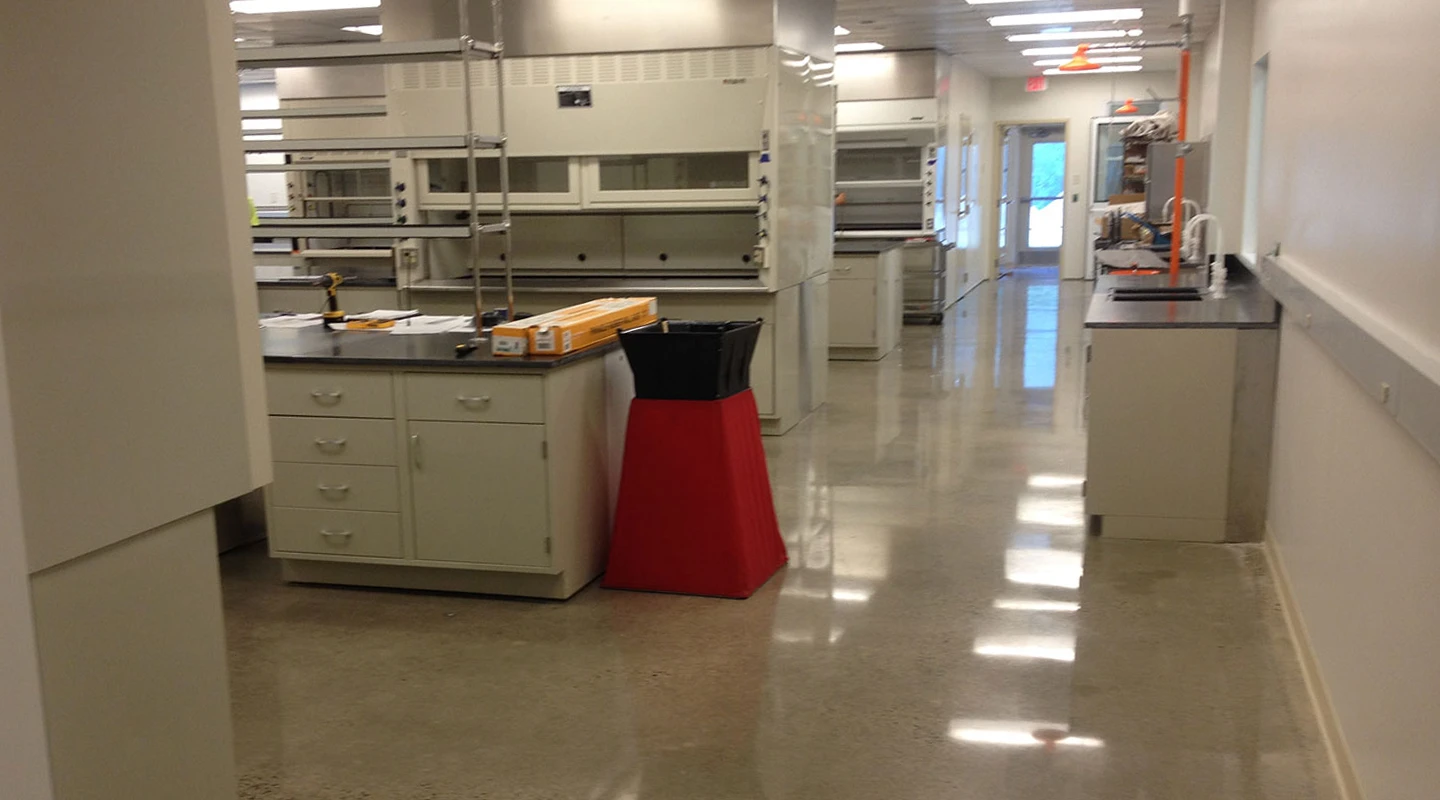
With no dry time required, factory floor polishing is a great choice for facilities that never shut down.
Learn More about Concrete Polishing for Manufacturing Floors
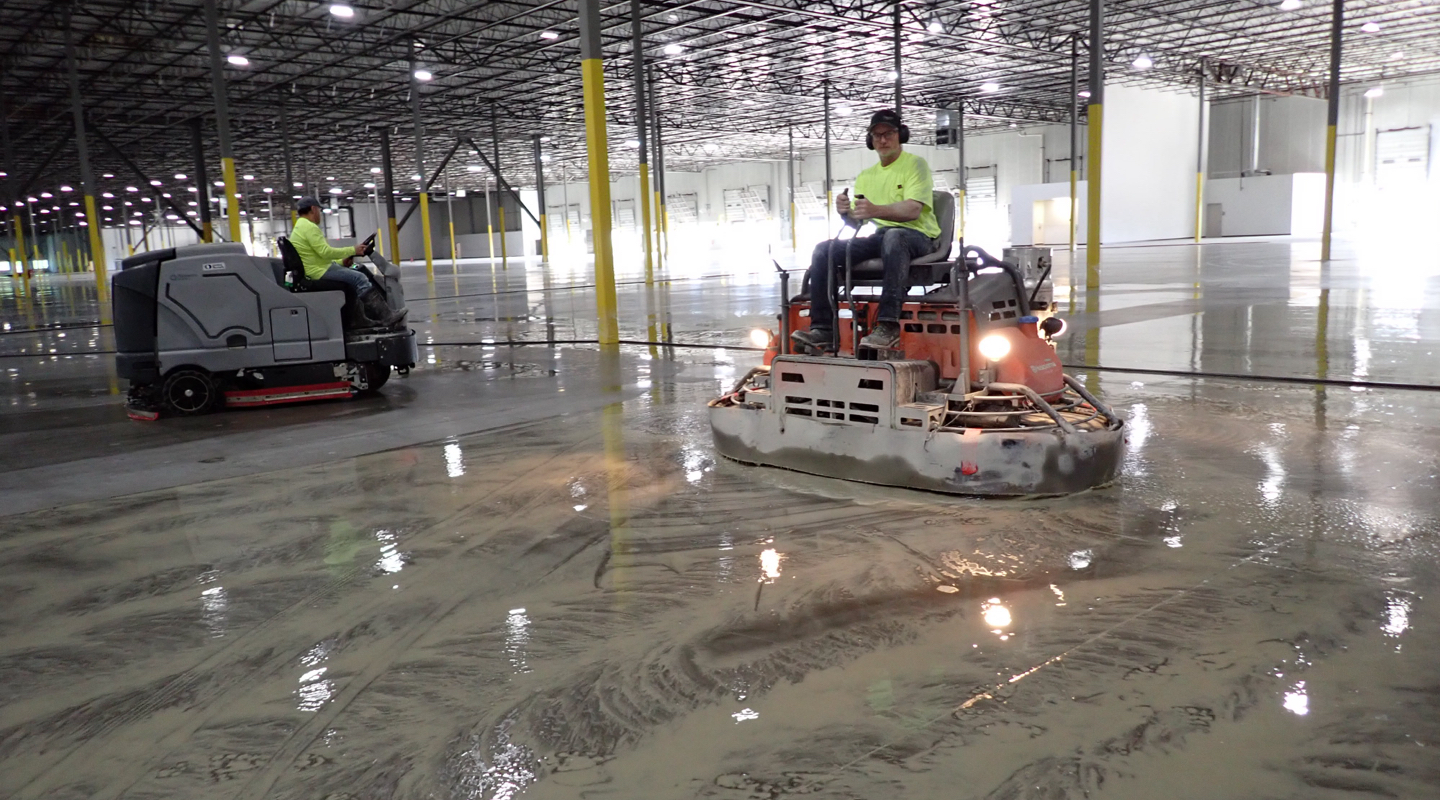
Concrete Polishing for Robot Floors
Our robotic warehouse flooring solutions provide the smooth, level surface fulfillment centers need to keep autonomous mobile robots operating seamlessly.
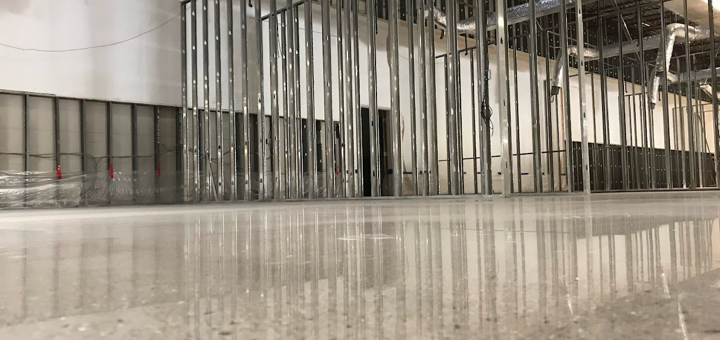
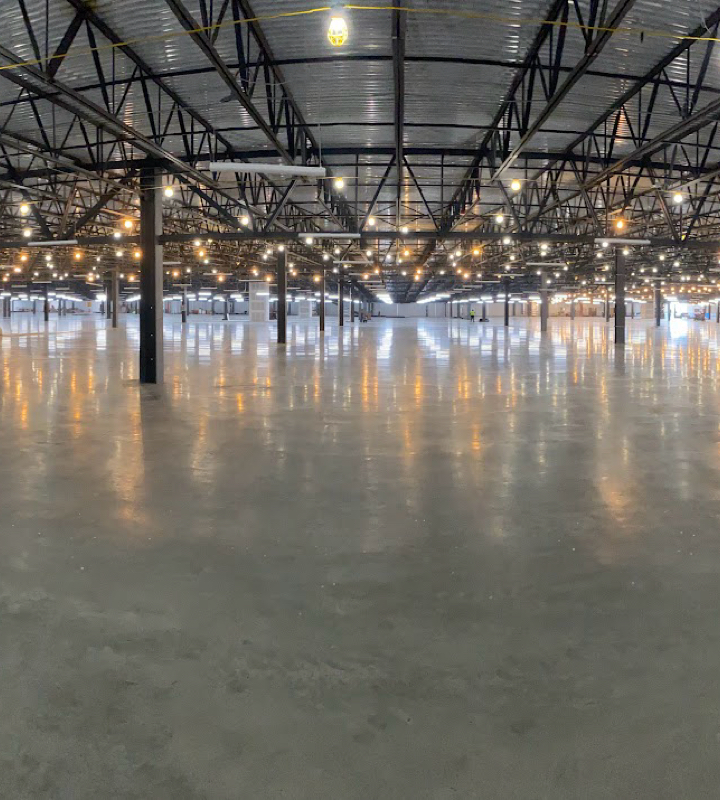
Commercial Concrete Polishing
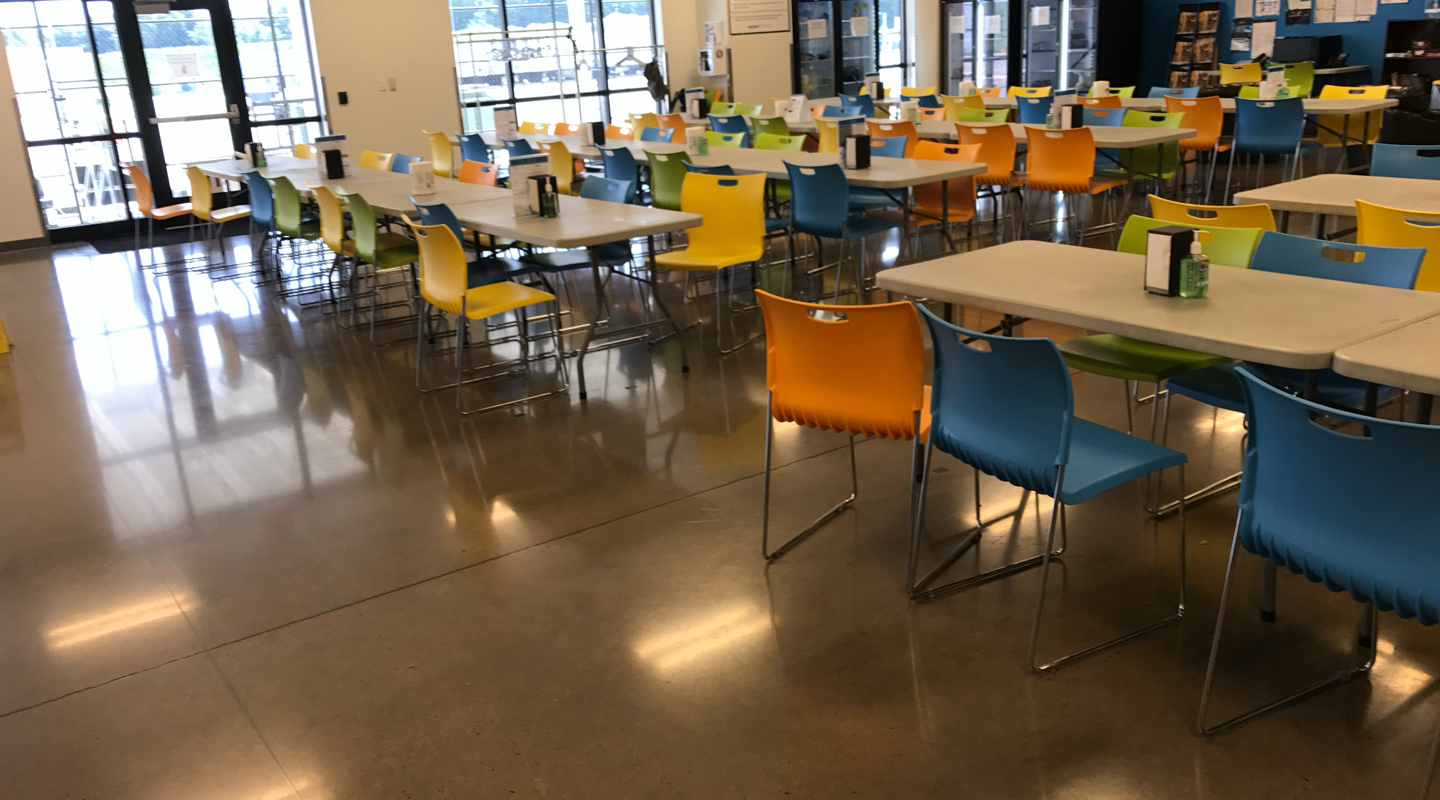
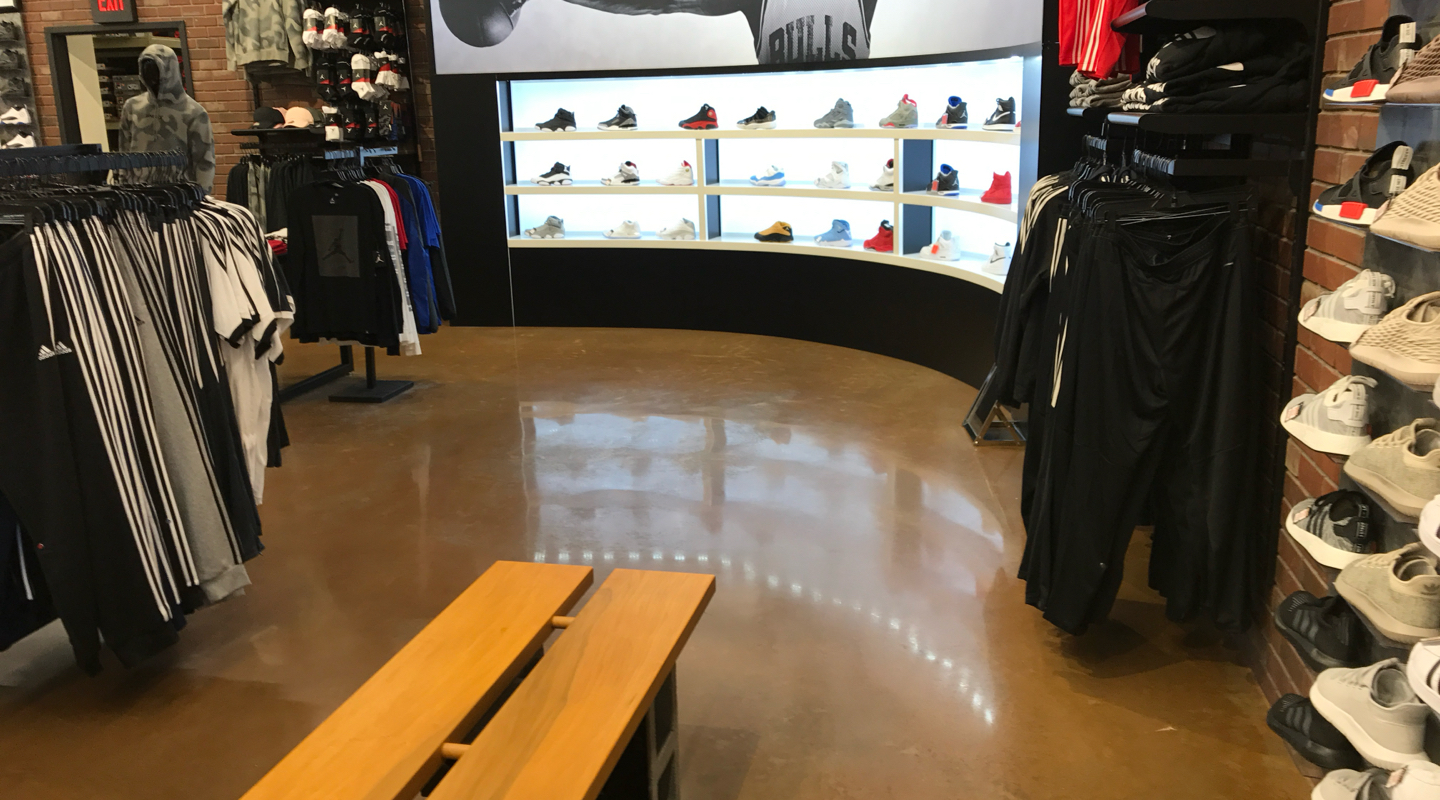
No waxing or stripping required—polished concrete floors for commercial and retail stores are easy to maintain, so you have one less thing to manage.
Polished Concrete Floors for Offices
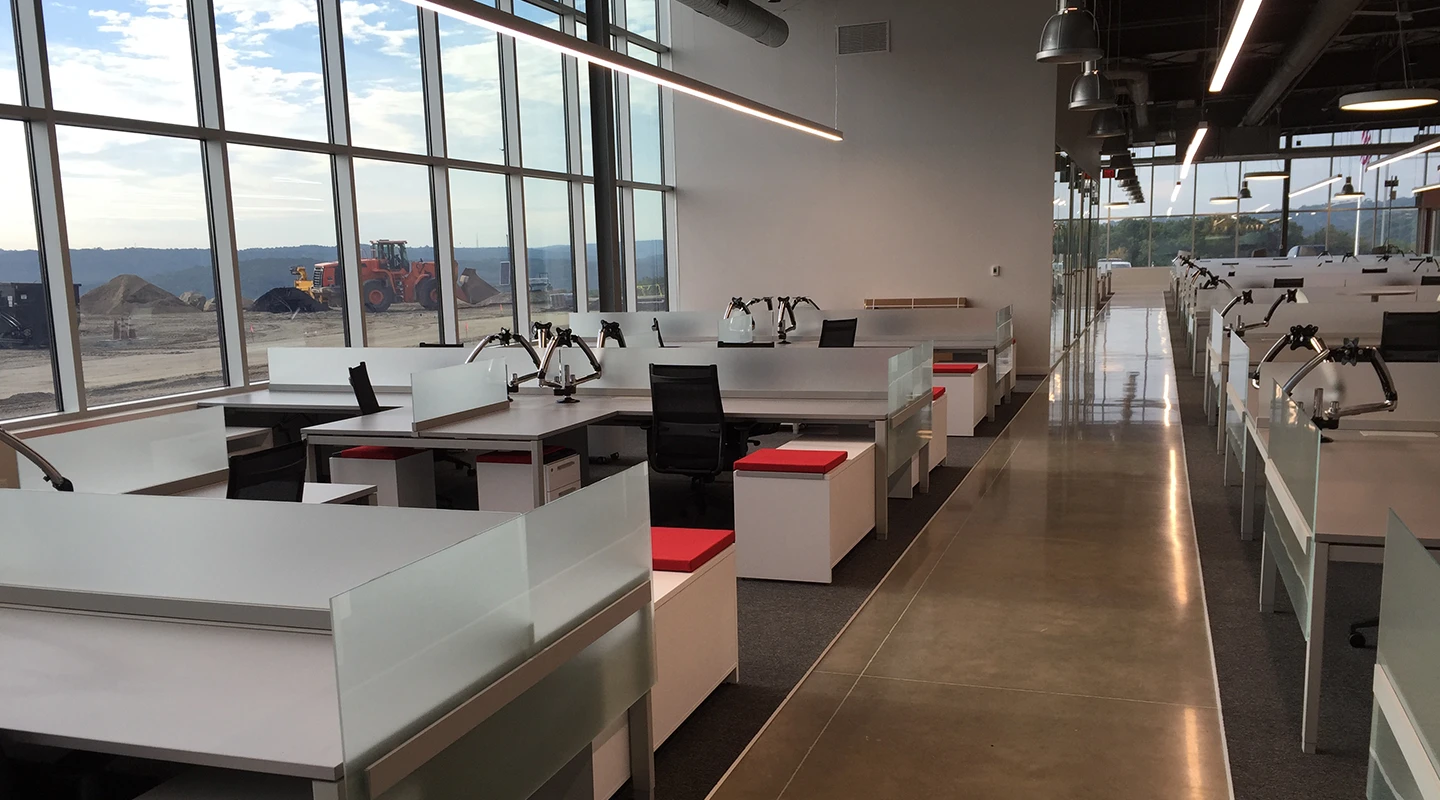
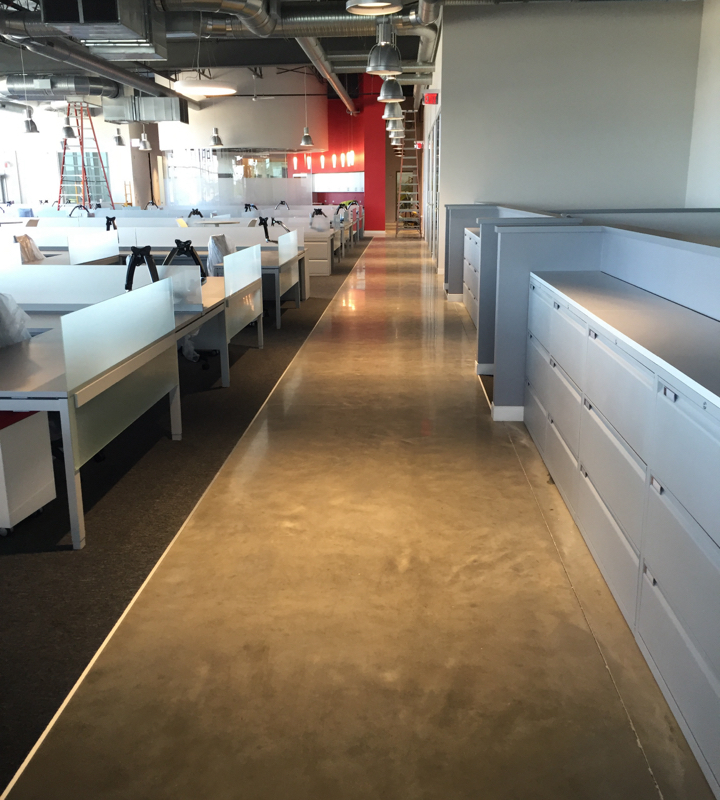
Our concrete floor polishing contractors can transform any office space with highly reflective and completely customizable surfaces.
Learn More about Concrete Floor Polishing for Office Buildings
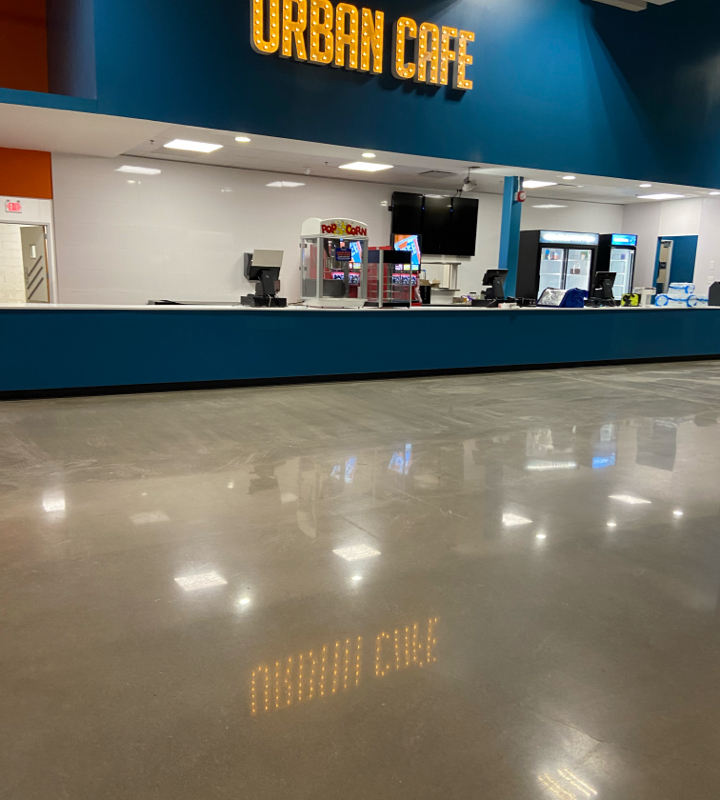
Floor Polishing for Entertainment Spaces
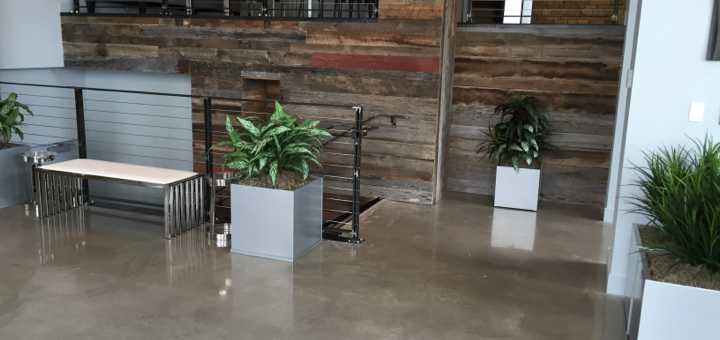
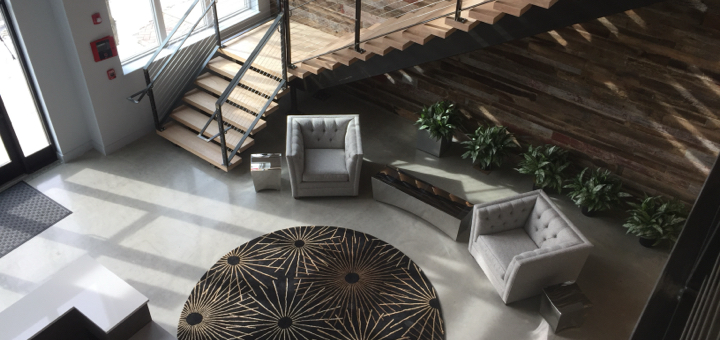
The durability to withstand heavy foot traffic makes polished concrete floors perfect for museums, movie theater lobbies, and more.
Learn More about Entertainment Venue Concrete Floor Polishing
Frequently Asked Questions
-
What is polished concrete?
Polished concrete is a multi-step mechanical process using diamond abrasives to grind, hone, and polish a concrete surface for a smooth, glossy finish.
-
What are the benefits of polished concrete floors?
Polished concrete is extremely durable, ideal for high-traffic areas, highly light reflective, and aesthetically versatile with multiple finish options.
-
What is the difference between a polished concrete floor and a sealed concrete floor?
Polished concrete is mechanically refined for density and shine, while sealed concrete uses a topical coating that offers protection but less durability and gloss.
-
Where is polished concrete suitable?
Warehouses, distribution centers, commercial kitchens, schools, factories, retail stores, showrooms, airports, transportation hubs, and office buildings.
-
Is polished concrete suitable for outdoor areas?
Generally, polished concrete is best indoors.
-
How do I clean polished concrete floors?
Use a microfiber dust mop daily and a pH-neutral cleaner for wet mopping. Avoid harsh chemicals and abrasive pads.
-
Do polished concrete floors need sealing?
Yes, most polished concrete floors benefit from a penetrating sealer or guard to enhance stain resistance and maintain gloss.
-
Can polished concrete stain or scratch?
Yes, if spills are left unattended or abrasive materials are dragged across the surface. Proper maintenance minimizes these risks.
-
What are the different gloss levels?
Matte (low gloss), Satin (medium gloss), and High Gloss (mirror-like finish).
-
What’s the difference between salt & pepper finish and full aggregate exposure?
Salt & pepper exposes fine aggregate for a speckled look, while full aggregate grinding reveals larger stones for a bold, decorative appearance.
-
Can you polish old concrete?
Yes, as long as the slab is structurally sound. Repairs may be needed for cracks or spalling before polishing.
-
How much does polished concrete cost?
Pricing depends on floor size, condition, desired finish, and any additional treatments.
-
How long does the process take?
Most projects take 2–5 days, depending on size and complexity.
-
How soon can the floor be put into service?
Polished concrete can often be used immediately after completion. Coated floors may require 24–72 hours of curing time.
-
What should I expect from polished concrete floors?
A durable, low-maintenance surface with a clean, modern look. Gloss level and aggregate exposure will vary based on slab condition and chosen finish. Minor imperfections may remain if the original slab has cracks or uneven areas.
-
Can polished concrete look different than the sample?
Yes. Factors like concrete mix, age, and aggregate distribution affect the final appearance. No two floors are identical.
-
What can go wrong if conditions aren’t ideal?
Moisture issues can cause coating failures or discoloration. Soft concrete may limit achievable gloss and durability. Existing damage like deep cracks or spalling may still be visible after polishing. Improper maintenance can dull the finish.
-
Will polished concrete eliminate all cracks and flaws?
No. While repairs are made, some hairline cracks or color variations may remain, adding to the natural character of the floor.
-
Does polished concrete require downtime?
Yes. Areas must be cleared during the process, and curing time may be needed for sealers or coatings.
Request a Concrete Floor Polishing Quote
Heavy Duty Floors is one of the few concrete floor polishing companies in the Northeast equipped to handle large-scale projects.