Concrete Joint Filling Services
Proudly Serving CT, NY, MA, NJ, RI & Beyond
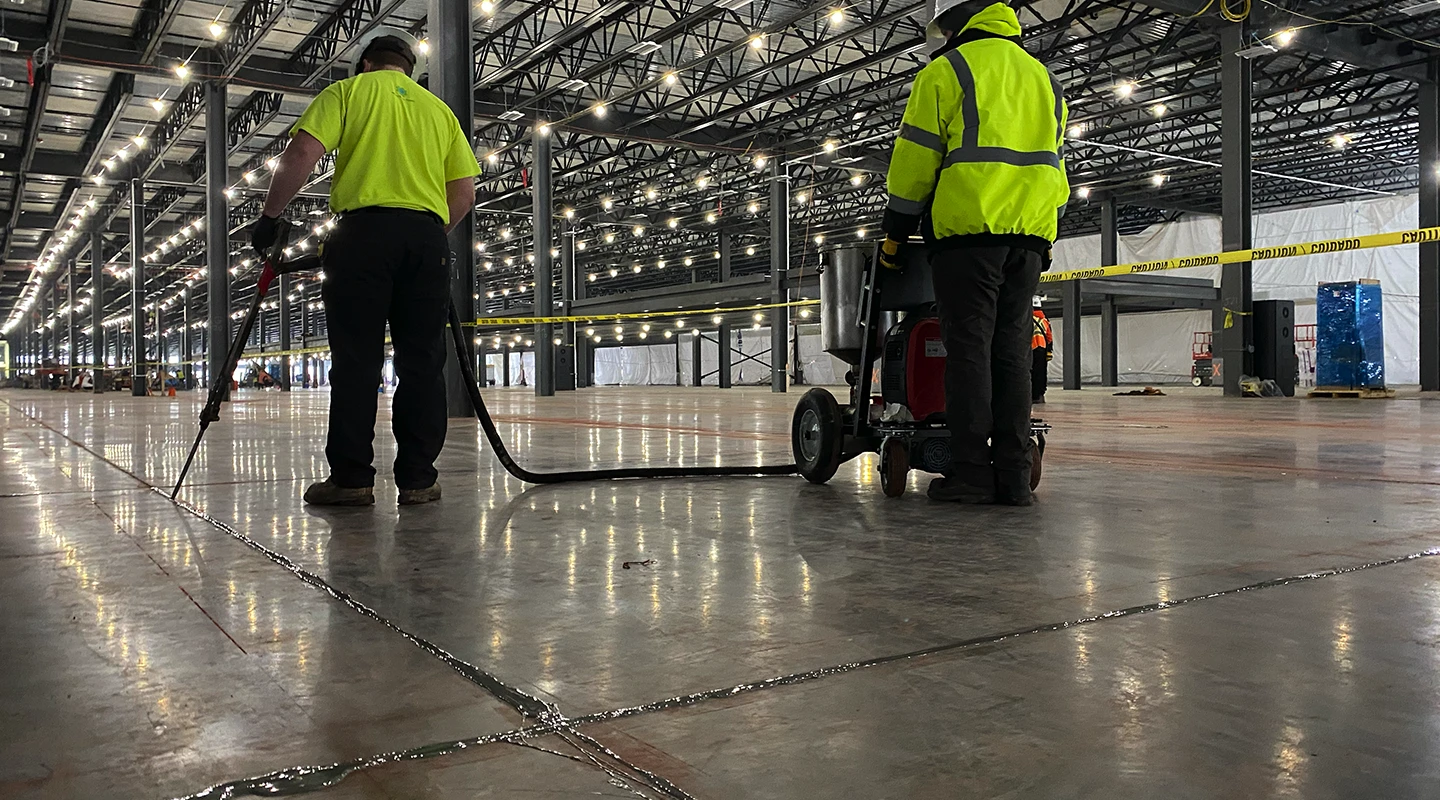
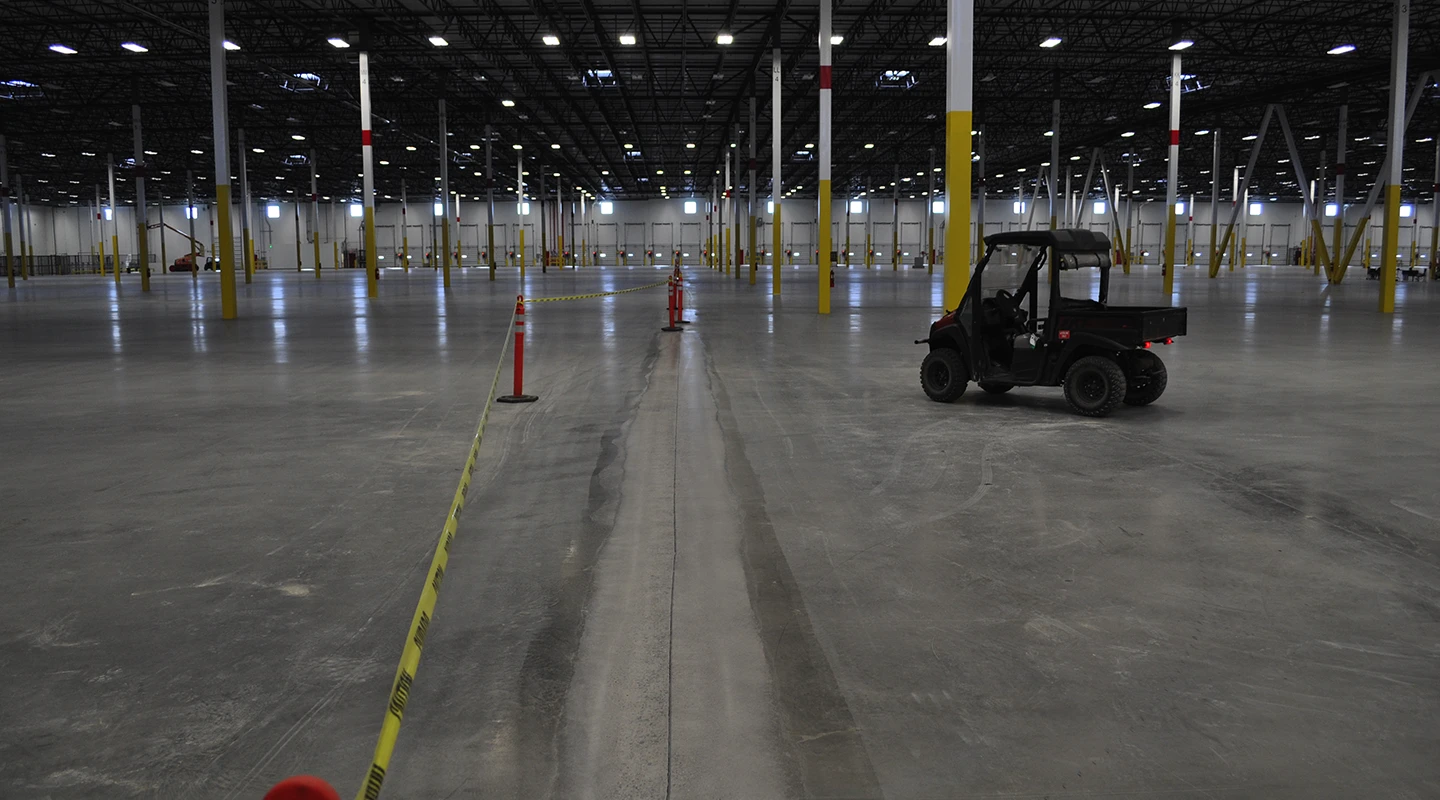
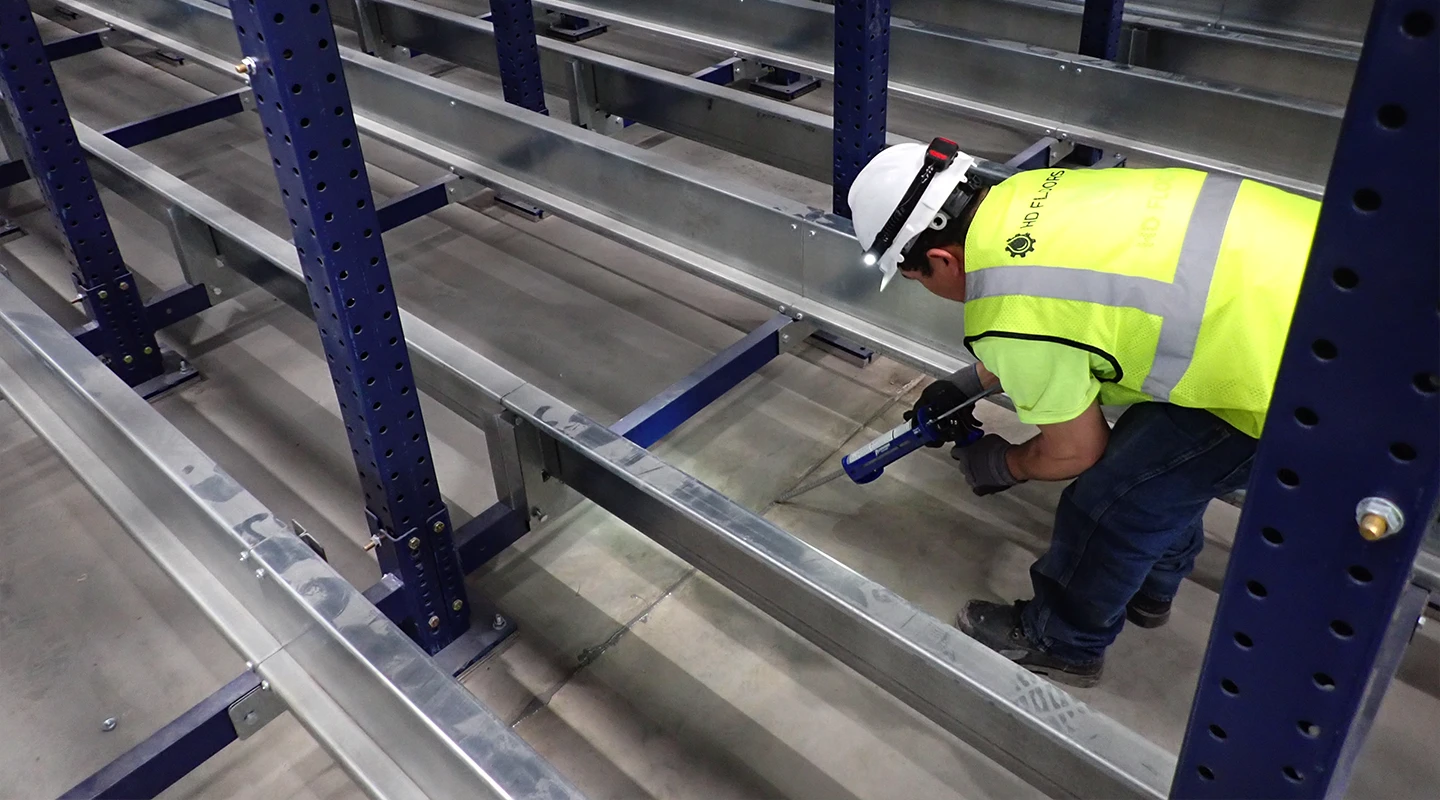
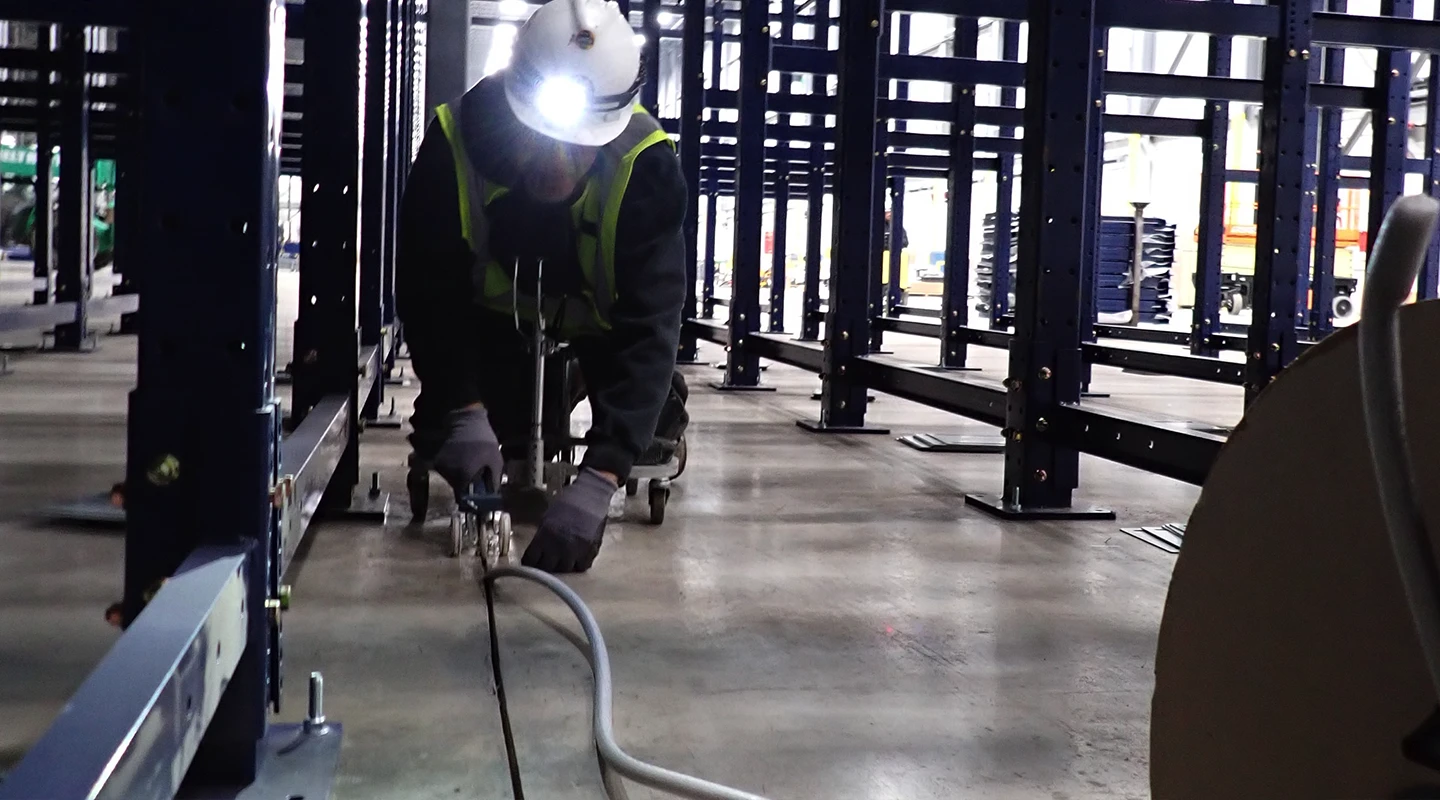
When an unfilled joint is subjected to forklift traffic, its edges are prone to snapping off—and over time, it will widen and become a tripping hazard. We utilize high-performance joint filling products from the industry’s most trusted names, including Metzger/McGuire, Sika, Euclid and Hi-Tech, to fill concrete joints and prevent costly repairs.
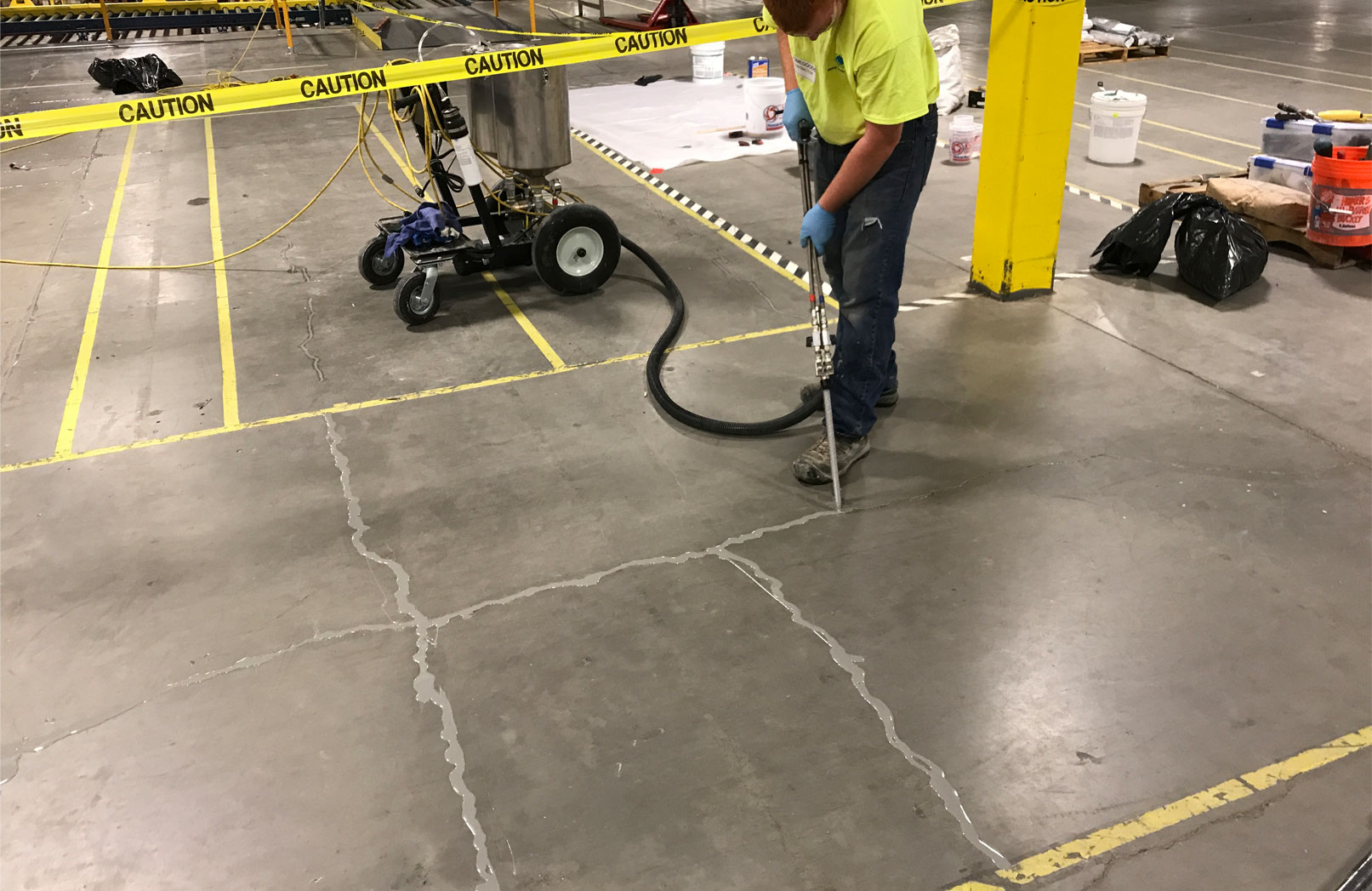
Concrete Crack Filling
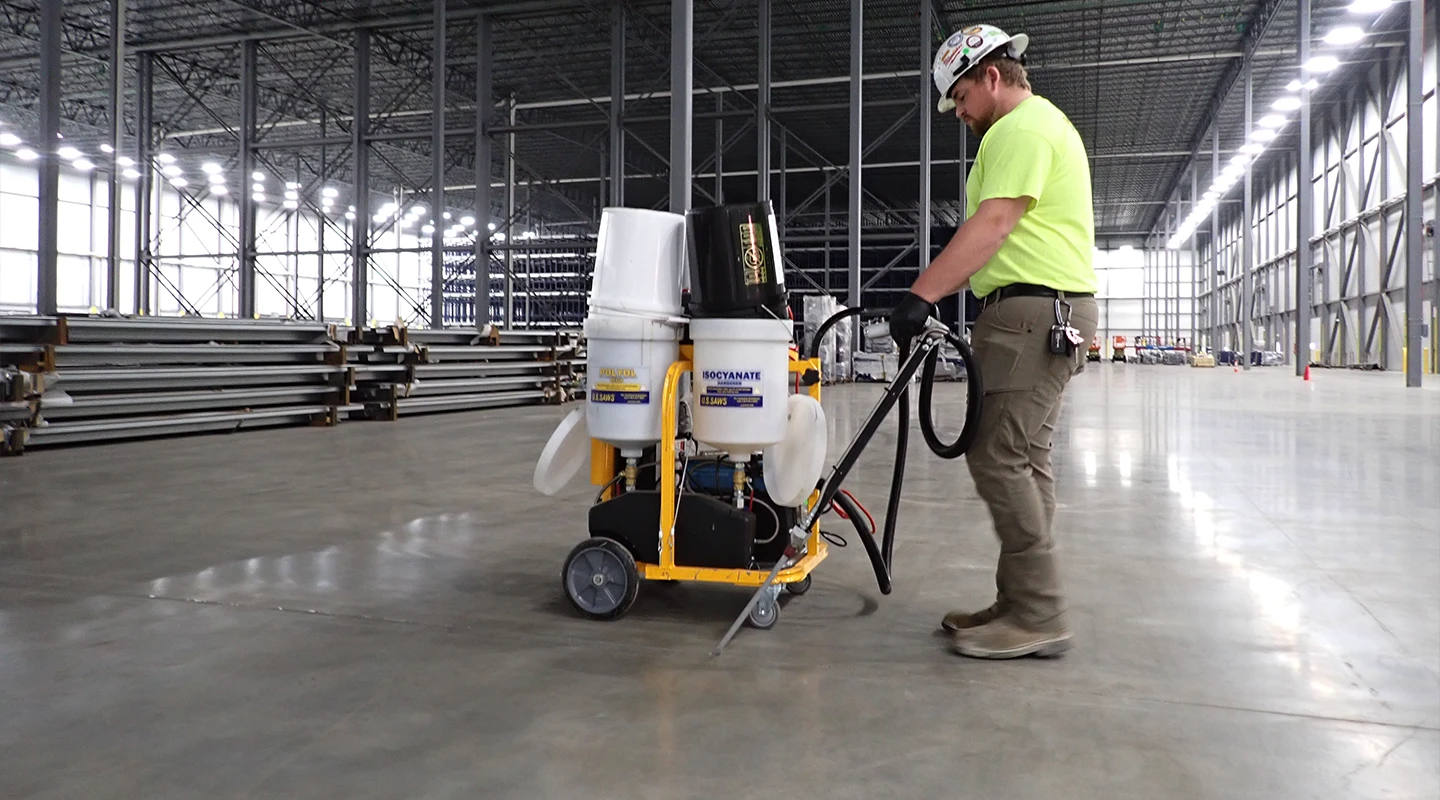
Our concrete crack filling service is a reliable, cost-effective, and aesthetically pleasing solution for addressing cracks and maintaining structural integrity.
Concrete Expansion Joint Replacement
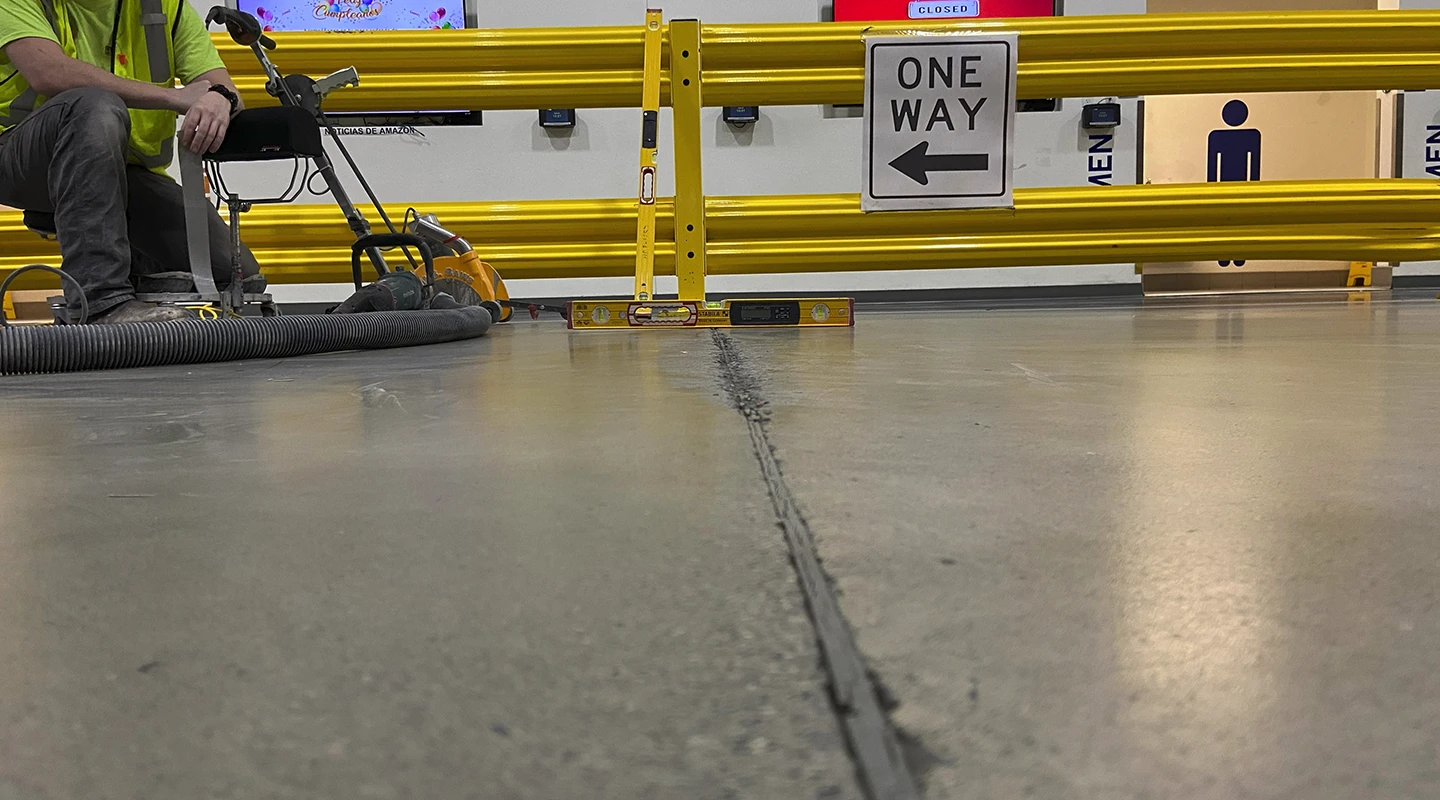
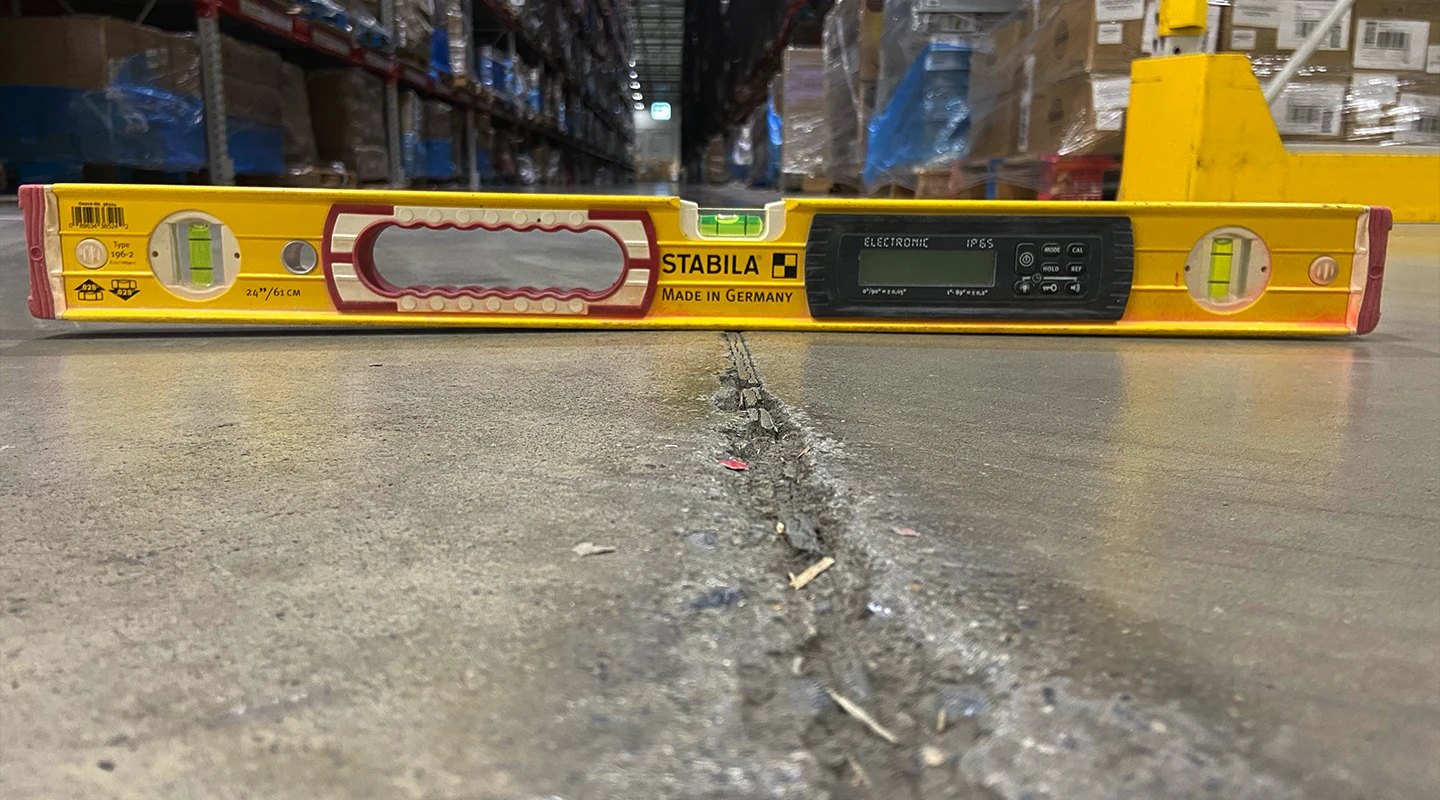
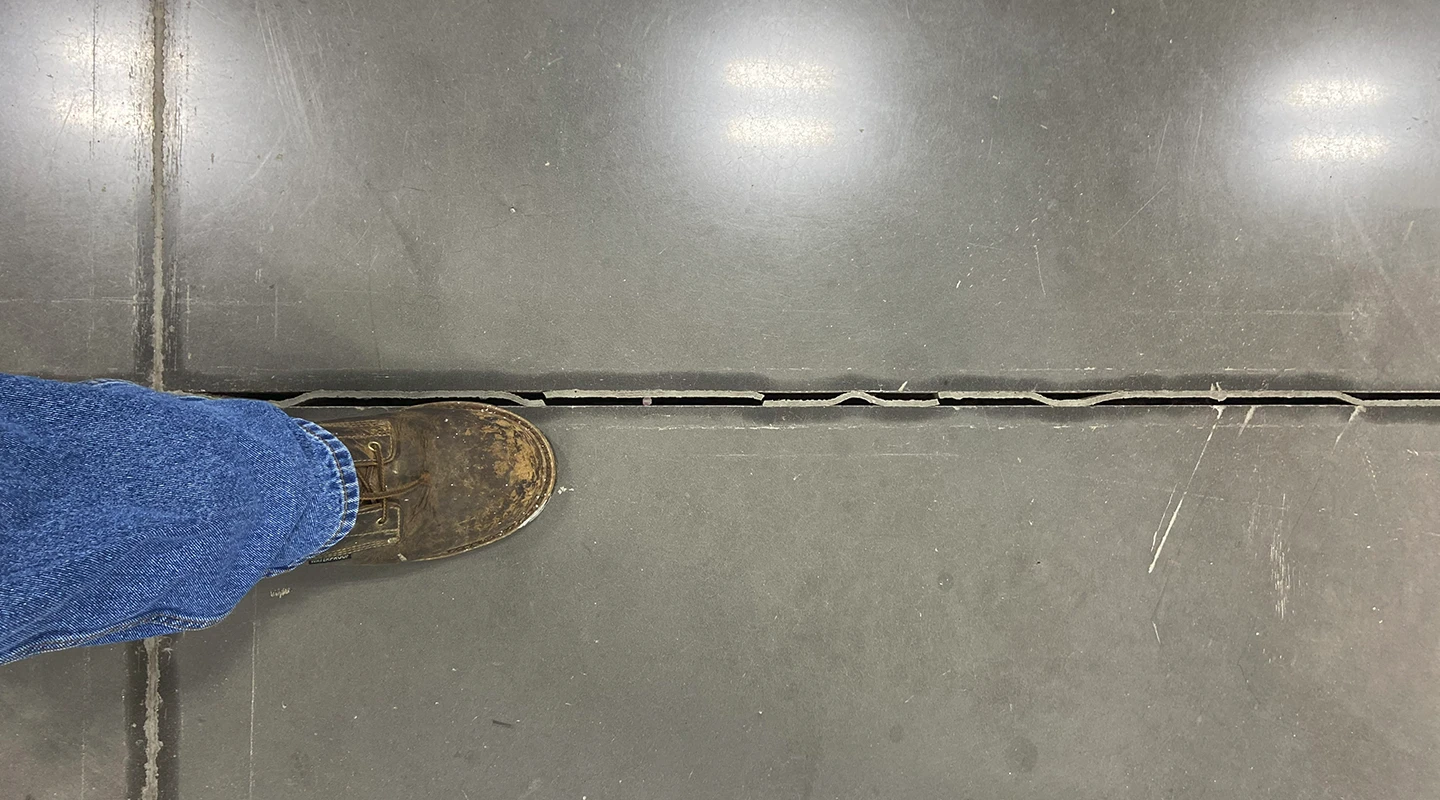
With accelerated construction schedules, joints may get filled before the concrete has cured, resulting in joints opening up. If you can slip a credit card into a joint, it’s considered unprotected, and concrete joint replacement is required.
Frequently Asked Questions
-
What is joint filling and why is it important?
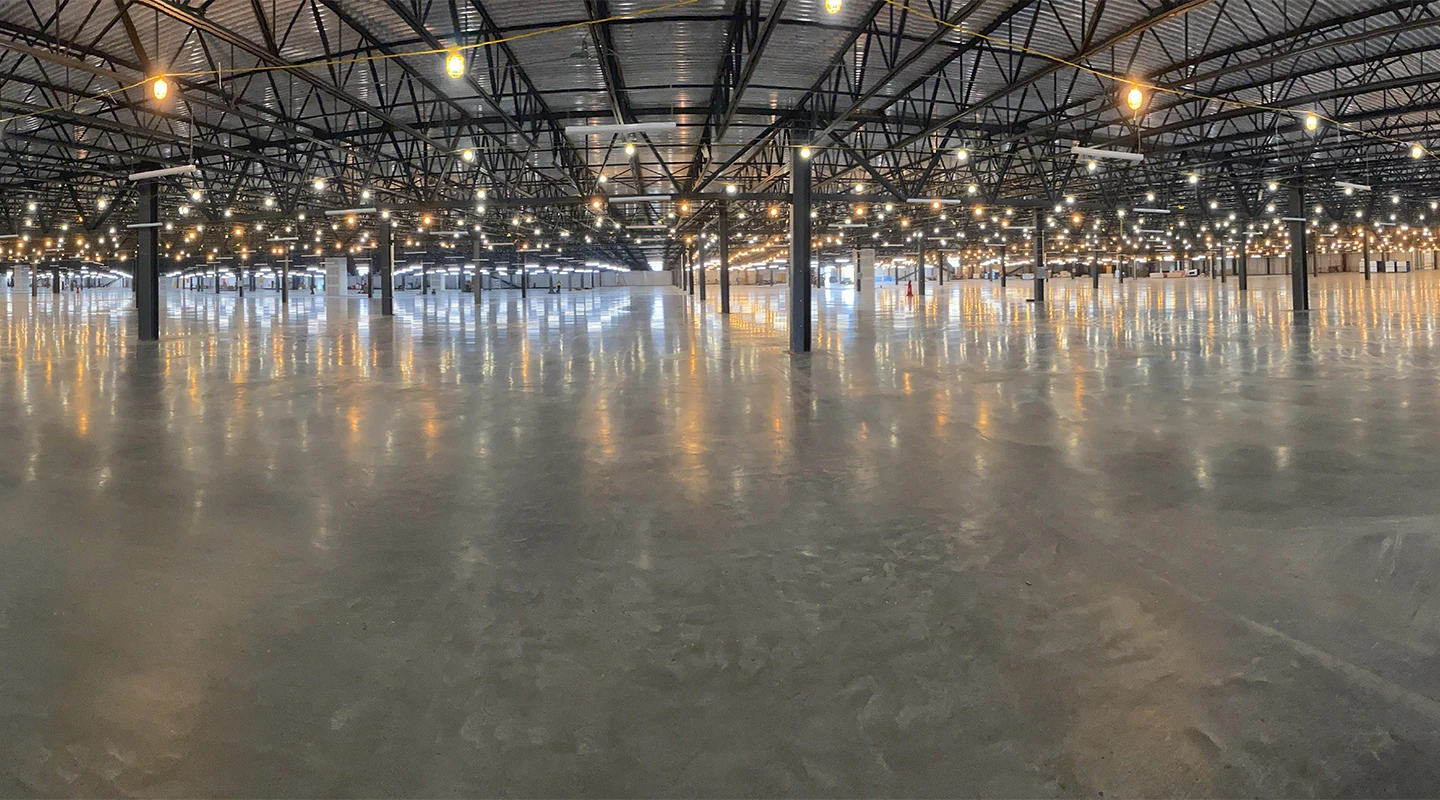
Joint filling involves filling control and expansion joints with semi-rigid material to prevent debris buildup, edge chipping, and improve floor performance under traffic.
-
What happens if joints are left unfilled for too long?
Unfilled joints deteriorate, leading to edge damage that requires both repair and filling. This restoration work is far more labor-intensive and expensive than filling intact joints upfront. In addition, visible floor damage can negatively impact tenant satisfaction and perceptions of overall building quality.
-
How do unfilled joints affect material handling vehicles?
Unfilled or damaged joints create repeated impact points for wheels and tires. This accelerates wear on wheels, tires, bearings, axles, and transmissions, leading to higher maintenance costs, more downtime, and a shorter overall vehicle lifespan. When joints are properly filled, sharp edges and surface defects are eliminated—thereby reducing wheel and tire wear, lowering the risk of major mechanical damage, and stabilizing your fleet’s cost per vehicle hour. To learn more, read the full article ›
-
Does joint filling add value when selling or leasing an industrial building?
Yes. Today’s tenants and buyers are highly aware of floor condition and often factor it into their decision-making. Filled joints signal a well-built, quality facility, reduce pre-occupancy hassles for tenants, and enhance the building’s marketability in competitive industrial real estate markets. To see how cost-effective joint filling in industrial buildings can be, check out this article ›
-
How do I choose the right joint filler for my floors?
Check out Euclid Chemical’s Joint Filler Comparison Guide to get an overview of the different products available, and the features and benefits of each. The right joint filler will be able to match the needs of your application, including the floor’s traffic level, UV exposure, ambient temperature, and other factors.
Request a Quote for Concrete Joint Filling
Heavy Duty Floors can prevent a problem before it even starts, ensuring your floors remain strong and safe.